Best Plate Carrier for Home Defense
 RogueGunFighter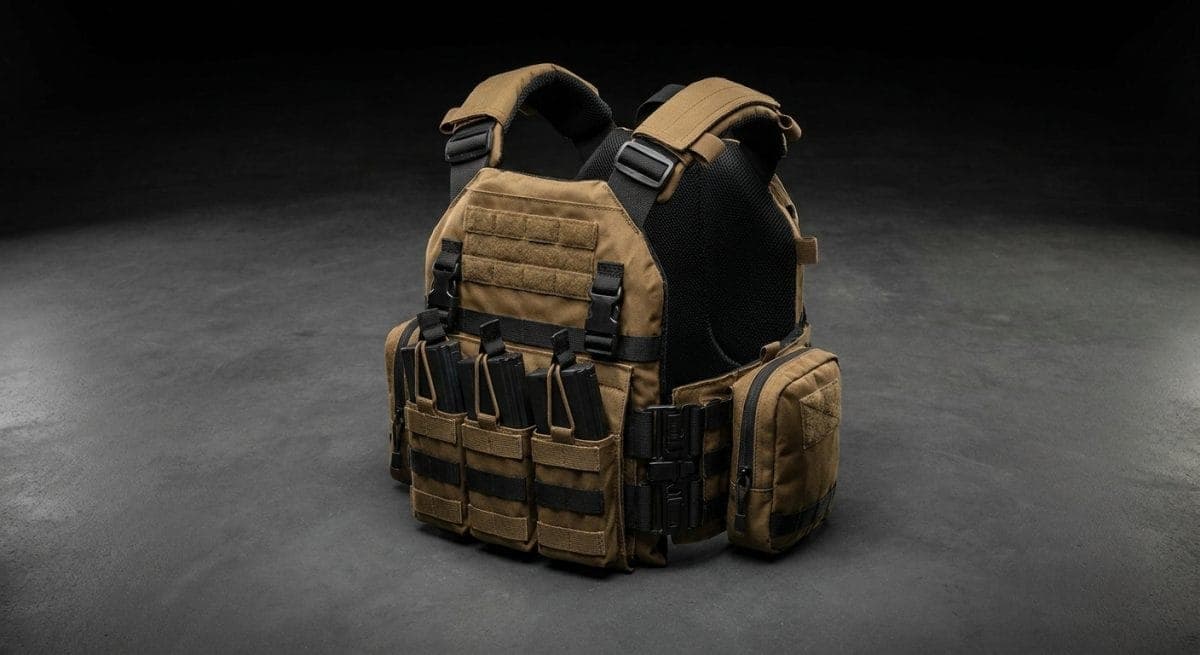
Best Plate Carrier for Home Defense: The No-BS Buyer’s Guide
When the dog barks at 2 AM and you’re reaching for the shotgun, the last thing you want is a 14-pound operator rig designed for kicking doors in Fallujah. Home defense is a different problem set. You need fast donning, real ballistic protection, and enough real estate to carry spare ammo, a light, a phone, and a tourniquet. That’s it. Anything more is dead weight slowing you down in your own hallway.
We’ve beat-tested dozens of plate carriers over the years, run them in force-on-force drills, and slept next to more than a few. Here’s our honest take on the best plate carrier for home defense in 2024, plus the setup advice nobody wants to say out loud.
What Home Defense Actually Demands From a Plate Carrier
Forget the Instagram loadout. Home defense scenarios typically last under 90 seconds, happen in low light, and involve you moving between rooms with family members present. Your plate carrier needs to do four things well:
- Go on in under 10 seconds, over pajamas, in the dark
- Hold hard armor plates capable of stopping common rifle threats
- Carry minimal essentials: spare mag, weapon light, phone, IFAK
- Not snag on door frames, couches, or light switches
That rules out the full-send assaulter rig with six mag pouches, a radio, a dangler, and side plates. It also rules out the Amazon airsoft special that will split at the shoulder straps when you throw it on.
Understanding Body Armor and Level of Protection
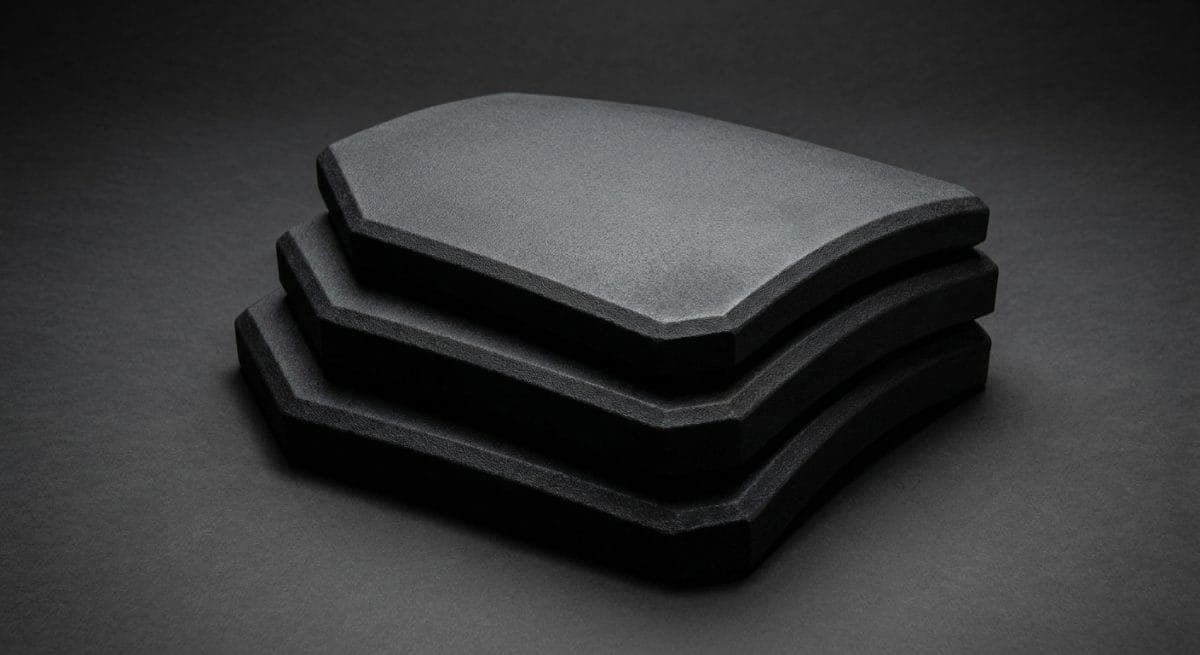
Before we get into carriers, let’s talk armor plates. The carrier is just the taco shell. The meat is the ballistic protection inside.
NIJ Ratings That Matter
- Level IIIA soft armor: Stops most handgun rounds up to .44 Magnum. Not rifle-rated. Useful as backers or in covert setups.
- Level III: Stops 7.62×51 M80 ball. Usually steel, polyethylene, or ceramic composite.
- Level III+: Non-standardized but typically rated for M855 green tip and some rifle threats Level III misses.
- Level IV: Stops .30-06 M2 AP. Always ceramic or ceramic composite. Heaviest of the bunch.
For home defense, we recommend Level III+ or Level IV ceramic plates. Skip steel. Steel plates are cheap and heavy and produce lethal spall when hit. RMA Defense Level IV 1155 plates run about 6.3 lbs each at roughly $200 apiece and are NIJ 0101.06 certified. Hesco 4400 plates are another top pick at 7.4 lbs for true Level IV. If weight is critical, Hoplite Armor and Highcom make lightweight polyethylene Level III options around 3.3 lbs.
Top Plate Carrier Picks for Home Defense
1. Spiritus Systems LV-119 Overt (Best Overall)
The LV-119 is the carrier we hand to friends asking what to buy. The Overt front panel gives you enough molle for a triple mag placard and an admin pouch without looking like a plate-rack circus. Cummerbund options range from elastic to hard-sided. Weight, unloaded, sits around 2.2 lbs. Price: $280 to $340 depending on config.
Hands-on, the shoulder straps are slim but supportive, and the low-vis profile means it doesn’t catch on the bedroom door frame. It’s cut for operators who actually move. Pair it with a Spiritus Micro Fight Chissel chest rig later if you want modularity.
2. Crye Precision JPC 2.0 (Best Lightweight)
Crye’s Jumpable Plate Carrier 2.0 is the gold standard for a reason. At 1.7 lbs unloaded, it disappears on the body. The skeletal cummerbund, laser-cut molle, and swim-cut shoulder straps make it ideal for fast movement in tight spaces. Price runs $290 to $330.
The downside: the JPC 2.0 runs tight on fit and has minimal padding. If you’re planning to wear it for hours on a range day, look elsewhere. For a 90-second house clear, it’s perfect.
3. Ferro Concepts Slickster (Best Minimalist)
The Slickster is exactly what the name says. No front molle at all on the base model. Just a clean plate bag with a stretch cummerbund. Weight is around 1.6 lbs. Price is $245.
Add a Spiritus Micro Fight or Haley Strategic D3CRM placard to the front via velcro, and you’ve got a modular setup that goes from low-profile to full loadout in seconds. This is our pick for the homeowner who wants armor but refuses to look like he’s cosplaying.
4. Crye Precision AVS (Best for Heavier Plates)
If you’re running true Level IV ceramic plates and want to add side plates, the AVS (Adaptive Vest System) distributes weight better than anything in the lightweight category. The harness system is padded, the molle is full-coverage, and you can scale it up or down endlessly. Empty weight: 3.3 lbs. Price: $500 and up once you spec it out.
This is overkill for most home defense scenarios, but if you live rurally, have a longer response time from law enforcement, or stage your rig for extended use, it’s worth the money.
5. Shellback Tactical Banshee Rampage (Best Budget)
Not everyone has $300 to drop on a carrier. The Banshee Rampage runs around $130, weighs 2.8 lbs, and takes standard SAPI-cut plates. Build quality is solid 500D Cordura with bartacked stress points. It’s heavier and bulkier than the premium options, but it works.
Skip the Condor stuff a tier below this. The Banshee is the floor for carriers we’d trust with our life.
Dialing In the Home Defense Loadout
Here’s the loadout we run on our bedside carrier. Keep it simple. Every pouch you add is weight, bulk, and one more thing to snag.
- Triple 5.56 mag placard (Spiritus Micro Fight Chissel or Esstac KYWI triple): two spare mags is plenty for a home defense scenario
- Blue Force Gear Trauma Kit NOW! on the cummerbund: tourniquet, pressure dressing, chest seals. About $120 fully stocked.
- Small admin pouch for phone, flashlight, ID, spare house key
- SureFire M600DF or Modlite PLHv2 mounted to the rifle, not the carrier. Your weapon light does the lighting work.
- Handheld light like a SureFire EDCL2-T (1200 lumens, $199) in the admin pouch for non-gun tasks
That’s it. No radio, no dump pouch, no dangler. If the fight extends past what’s on that rig, you’ve got bigger problems than gear.
Helmets: Worth It or Overkill?
For home defense specifically, a helmet is a nice-to-have but not essential. If you decide to run one, a Team Wendy EXFIL LTP ($350) or Ops-Core FAST SF ($1,500+) gives you head protection and a mounting surface for a white light or NODs. The EXFIL LTP is bump-rated only. For ballistic protection, you’re looking at the EXFIL Ballistic or the Ops-Core Maritime at double the price.
Honestly, if you’re ballistic-helmet budget-constrained, put that money toward better plates and training first.
Setup Tips From Years of Running Carriers
Stage It Properly
Your carrier should live on a hook or dummy stand next to your bed, pre-loaded with mags, plates inside, cummerbund pre-sized. Practice donning it in the dark, over pajamas, while tired. If it takes you more than 10 seconds, simplify the setup.
Size Your Plates Correctly
Most adult men run a medium SAPI cut (9.5″ x 12.5″). The top of the plate should sit at the jugular notch, not up against your chin. Too high and you can’t shoulder a rifle. Too low and you’re leaving vital real estate exposed. A proper fit covers the heart and upper lungs.
Skip Side Plates Unless You Have a Reason
Side plates add 4 to 6 pounds of weight for marginal coverage in a home defense context. Most gunfights inside a structure happen within 15 feet and the threat vector is almost always frontal. Save the side plate pockets for a patrol rig.
Train With the Rig On
The best carrier in the world is worthless if you’ve never run drills in it. Throw it on during dry fire practice. Run a weekend carbine course in it. Know how it moves, where it pinches, and how your mag changes feel when the elastic cummerbund is compressing your ribs.
Final Word
For most homeowners, the Spiritus LV-119 Overt or Ferro Slickster loaded with Level IV ceramic plates, a triple mag placard, and a trauma kit is the sweet spot. Total cost for carrier, plates, and pouches runs $700 to $1,200. That’s real money. It’s also cheaper than a decent optic, and a lot cheaper than being underprotected when it matters.
Buy once, cry once, train often. The gear is the easy part.
About this guide
Researched with AI assistance, reviewed by the Rogue Gunfighter editorial team. Updated when underlying gear, regulations, or sources change.
Spec a complete AR-15 upper and lower to match the gear in this guide.
Red dots, LPVOs, and magnifiers tested and scored for every mission profile.
Current firearm and accessory deals curated daily.