Nij Armor Levels Explained
 RogueGunFighter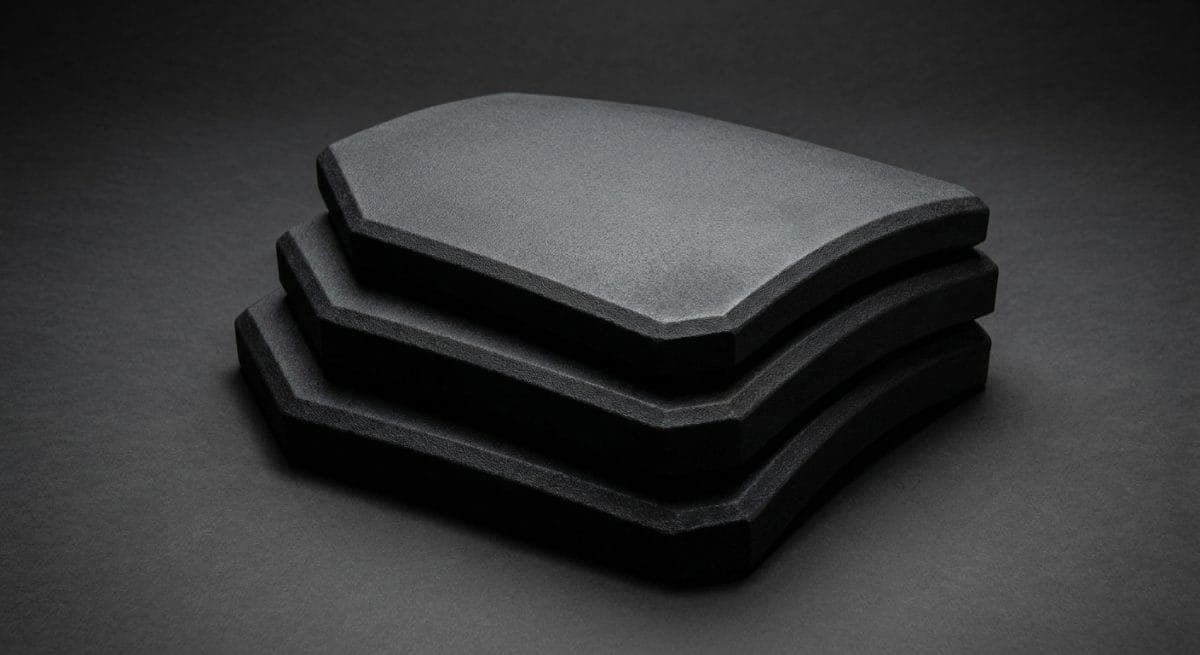
NIJ Armor Levels Explained: What Actually Stops Bullets (And What Doesn’t)
Body armor is one of those purchases where getting it wrong has consequences measured in hospital bills or obituaries. The National Institute of Justice (NIJ) standard is the closest thing the industry has to a universal yardstick, but the labeling gets misunderstood constantly. Guys buy Level IIIA soft armor thinking it stops rifle rounds. Guys buy cheap “Level III” plates off a no-name site and assume the marketing is honest. Neither assumption is safe.
This guide walks through every current NIJ level, what it actually defeats, what it doesn’t, and what gear we’ve put hands on that’s worth your money. No fluff, no sponsored softballs.
What NIJ Certification Actually Means
The NIJ doesn’t make armor. It sets a testing protocol (currently NIJ Standard 0101.06, with 0101.07 phasing in) and maintains a Compliant Products List. Manufacturers send samples to an NIJ-approved lab, pay for testing, and if the armor passes they get listed. A plate that says “Level IV” without NIJ certification is not the same as an NIJ-Certified Level IV plate. It might be identical quality. It might be garbage. You have no way to know without third-party verification.
Always check the Compliant Products List before buying. It’s free and takes two minutes.
The Old Standard vs. The New Standard
NIJ 0101.06 has been the working standard for over a decade. In 2023, NIJ released 0101.07, which changes the naming convention entirely. The old alphanumeric system (IIA, II, IIIA, III, IV) is being replaced with threat-based labels like HG1, HG2, RF1, RF2, and RF3. HG stands for handgun, RF for rifle.
Here’s the crosswalk:
- HG1 (new) roughly replaces Level II
- HG2 (new) roughly replaces Level IIIA
- RF1 (new) covers standard rifle threats including 7.62×51 M80 ball, 5.56 M193, and 7.62×39 mild steel core
- RF2 (new) adds 5.56 M855 green tip to the RF1 threats
- RF3 (new) replaces Level IV, stopping .30-06 M2 AP
Most armor on the market today is still certified under 0101.06. That’s fine. Just understand which standard your plates were tested against.
Level IIA: Skip It
Level IIA stops 9mm FMJ at lower velocities and .40 S&W. It’s the lightest and thinnest soft armor available, but honestly, there’s no reason to buy it in 2024. Level II armor is barely heavier and stops significantly more. If you’re looking at IIA, just go II.
Level II: Concealable Minimum
Level II defeats 9mm at standard velocities and .357 Magnum JSP. Typical weight runs 0.8 to 1.2 pounds per square foot, and panels can be thin enough to wear under a dress shirt without printing horribly. This is what a lot of plainclothes officers and EP contractors run.
Good options here include vests built around Safariland or Point Blank carriers. Expect $400 to $700 for a full front and back setup with soft armor panels.
Level IIIA: The Handgun Ceiling
Level IIIA is the top tier of soft armor. It stops .357 SIG and .44 Magnum, which means it stops virtually every common handgun round including standard pressure .45 ACP, 10mm, and the various .40 loads. It does not stop rifle rounds. Ever. Don’t believe the marketing from budget brands claiming otherwise.
IIIA panels run around 1.0 to 1.5 pounds per square foot. Premium options like Point Blank’s Vision or Hesco’s L210 soft armor panels offer excellent flexibility and multi-hit performance.
IIIA is also the standard for ballistic helmets. A Team Wendy EXFIL Ballistic or Ops-Core FAST SF carries an NIJ IIIA rating, meaning it’s rated against handgun rounds and most fragmentation, not rifle rounds. An Ops-Core FAST SF High Cut runs about 2.7 pounds and costs $1,400 to $1,900. The Team Wendy EXFIL Ballistic sits around 3.0 pounds and costs $900 to $1,300. Both are legitimate pieces of gear, not airsoft buckets.
Level III: Rifle Protection Starts Here
This is where things get serious, and where the marketing gets the sloppiest. Level III is certified against 7.62×51 NATO M80 ball (148 grain FMJ) at about 2,780 feet per second. That’s it. That’s the certification threat.
Here’s the problem: Level III says nothing about 5.56 performance. A Level III plate might stop M80 ball all day and get defeated by 5.56 M193 out of a 20-inch barrel. Why? Because 55-grain M193 at 3,200+ fps has more velocity and better penetration characteristics against certain armor materials, particularly polyethylene. If you want 5.56 protection under the old standard, look specifically for “Level III+” or “Special Threat” ratings that list M193 and M855 explicitly, or just buy RF2-rated plates under the new standard.
Level III plate options worth considering:
- Hesco 3810: UHMWPE construction, around 3.3 pounds, stops M80 ball plus M855 as a special threat. Around $280 to $350 per plate.
- RMA Defense 1155: Single-curve steel-free Level III, roughly 5.8 pounds, budget-friendly at around $200.
- DFNDR Armor Rifle Rated Level III+: UHMWPE, 3.2 pounds, tested against M193 and M855A1. Expect $400 to $500.
Polyethylene plates are light and float in water but are vulnerable to steel core rifle rounds and can be heat-sensitive. Do not leave PE plates in a hot vehicle for years on end.
Level III+: The Wild West
“Level III+” is not an NIJ certification. It’s a manufacturer marketing term. What it usually means is that the plate passed Level III testing and was also independently tested against additional threats like M193, M855, or 7.62×39 mild steel core. Some III+ plates are excellent. Some are marketing nonsense. Demand to see the actual test data, not just a claim on a product page.
The new RF1 and RF2 classifications under 0101.07 essentially codify what the better III+ plates have been doing all along.
Level IV: The Top Tier
Level IV is the highest NIJ rifle rating and is certified against .30-06 M2 AP (armor piercing). If a plate stops M2 AP, it stops almost anything you’re realistically going to face as a civilian or patrol officer, including 7.62x54R and most common AP threats.
Level IV plates are almost always ceramic-faced with a composite backer. They’re heavier and more fragile than Level III. Drop a ceramic plate on concrete and you might have cracked the strike face without visible damage. Inspect regularly and x-ray if possible after any impact.
Solid Level IV options:
- Hesco 4401: Around 7.0 pounds, single-curve, roughly $400 to $500 per plate.
- RMA 1199: Multi-hit Level IV, about 7.8 pounds, $350 to $450.
- LTC Ceramic Body Armor Level IV: Lightweight at around 5.9 pounds, premium pricing at $550 to $700.
What to Put Plates In
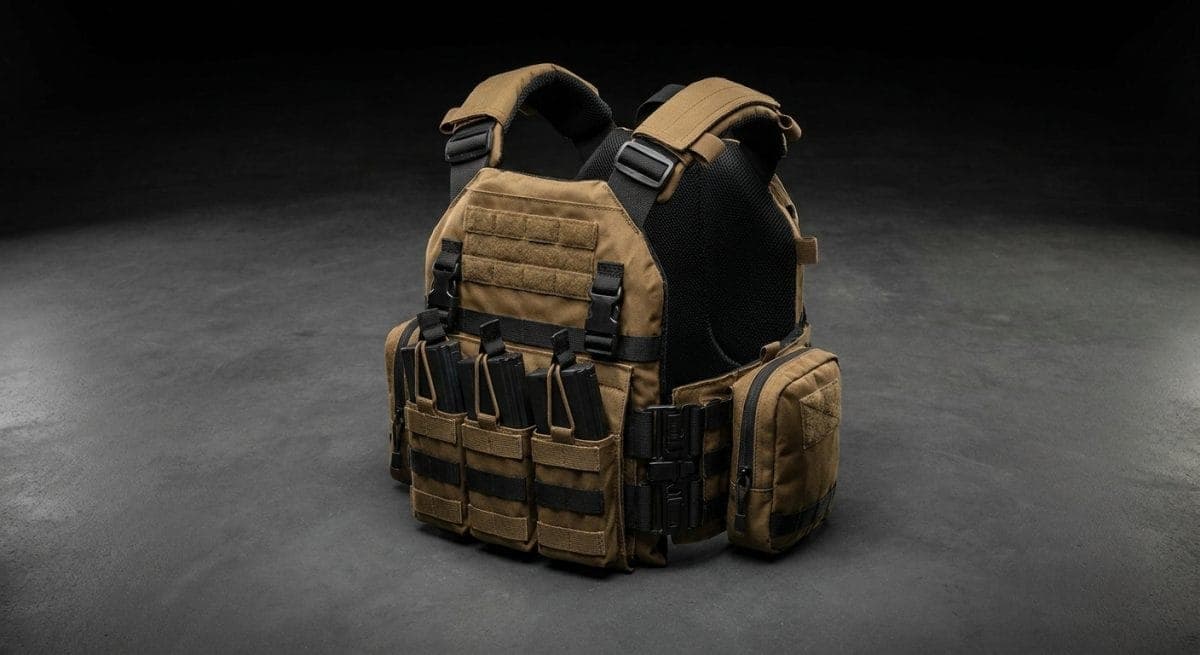
Plates are only half the equation. The carrier matters for fit, mobility, and how fast you can actually get it on. Our go-to carriers:
- Crye Precision JPC 2.0: Minimalist, around 1.5 pounds empty, excellent for concealable or lightweight setups. $230 to $280.
- Crye Precision AVS: Modular, scalable from slick to full kit. $380 to $450 for the base vest.
- Spiritus Systems LV-119: Overt and Covert configurations, purpose-built for shooters who want a low-profile carrier that still runs plates and mag pouches. $250 to $320.
- Haley Strategic Thorax: Plate carrier with excellent load distribution, around $290.
Pair with Blue Force Gear Ten-Speed mag pouches or Spiritus Systems placards for a clean, functional loadout. Don’t forget a quality belt-mounted light like a SureFire M600DF or Modlite PLHv2 if your rifle is the backup to your pistol.
Soft Armor vs. Hard Plates: Choosing Your Level
The right level depends on the threat profile you actually face, not the one that looks coolest on Instagram.
- Concealed daily wear, urban environment, pistol threats: Level II or IIIA soft armor.
- Home defense, rifle threats possible, not worn for hours: Level III+ or RF2 plates in a ready-rack carrier.
- Patrol, active shooter response: Level III+ or RF2 plates in a lightweight carrier like a JPC 2.0.
- High-threat environments, AP rounds possible: Level IV or RF3.
Weight matters. A Level IV setup with trauma pads, carrier, and kit can push 25 pounds before you add a rifle. That’s fine for a ten-minute gunfight and miserable for a twelve-hour shift.
Things Manufacturers Hope You Don’t Ask
Expiration dates are real. Soft armor typically carries a 5-year warranty because the ballistic fibers degrade. Hard plates last longer but still have expirations, usually 5 to 10 years. Store armor flat, out of direct sunlight, away from heat and moisture. Don’t wash soft armor panels. Replace after any ballistic impact, period.
Trauma pads matter. A plate stops the round, but the energy transfer can still cause blunt force injuries. A quality trauma pad behind the plate reduces backface deformation and can be the difference between bruised ribs and broken ones.
Bottom Line
Buy NIJ-certified armor. Verify the certification on the NIJ Compliant Products List. Match the level to your realistic threat profile. Don’t assume III stops everything, don’t assume IIIA stops rifle rounds, and don’t trust “Level III+” claims without test data. Store it properly, replace it on schedule, and train with it on so you actually know how it moves.
Armor is cheap insurance until you need it. Then it’s the best money you ever spent.
About this guide
Researched with AI assistance, reviewed by the Rogue Gunfighter editorial team. Updated when underlying gear, regulations, or sources change.
Spec a complete AR-15 upper and lower to match the gear in this guide.
Red dots, LPVOs, and magnifiers tested and scored for every mission profile.
Current firearm and accessory deals curated daily.